
MachuPass guide
Inca Trail Permits & Trek Guide 2026: 4-Day vs 2-Day, Booking Windows
Inca Trail permits 2026: how the 4-day and short treks work, when to book, what the permit includes (citadel entry is bundled, no separate ticket needed), and altitude preparation.
Last updated: October 22, 2026
The Inca Trail is the only trek that arrives at Machu Picchu on foot, through the Sun Gate, exactly as travelers have done for decades. It is also the most regulated trek in Peru: permits are strictly limited each day, you can only hike with a licensed operator, and independent trekking is not allowed. This guide explains how permits actually work, including one fact most websites get backwards.
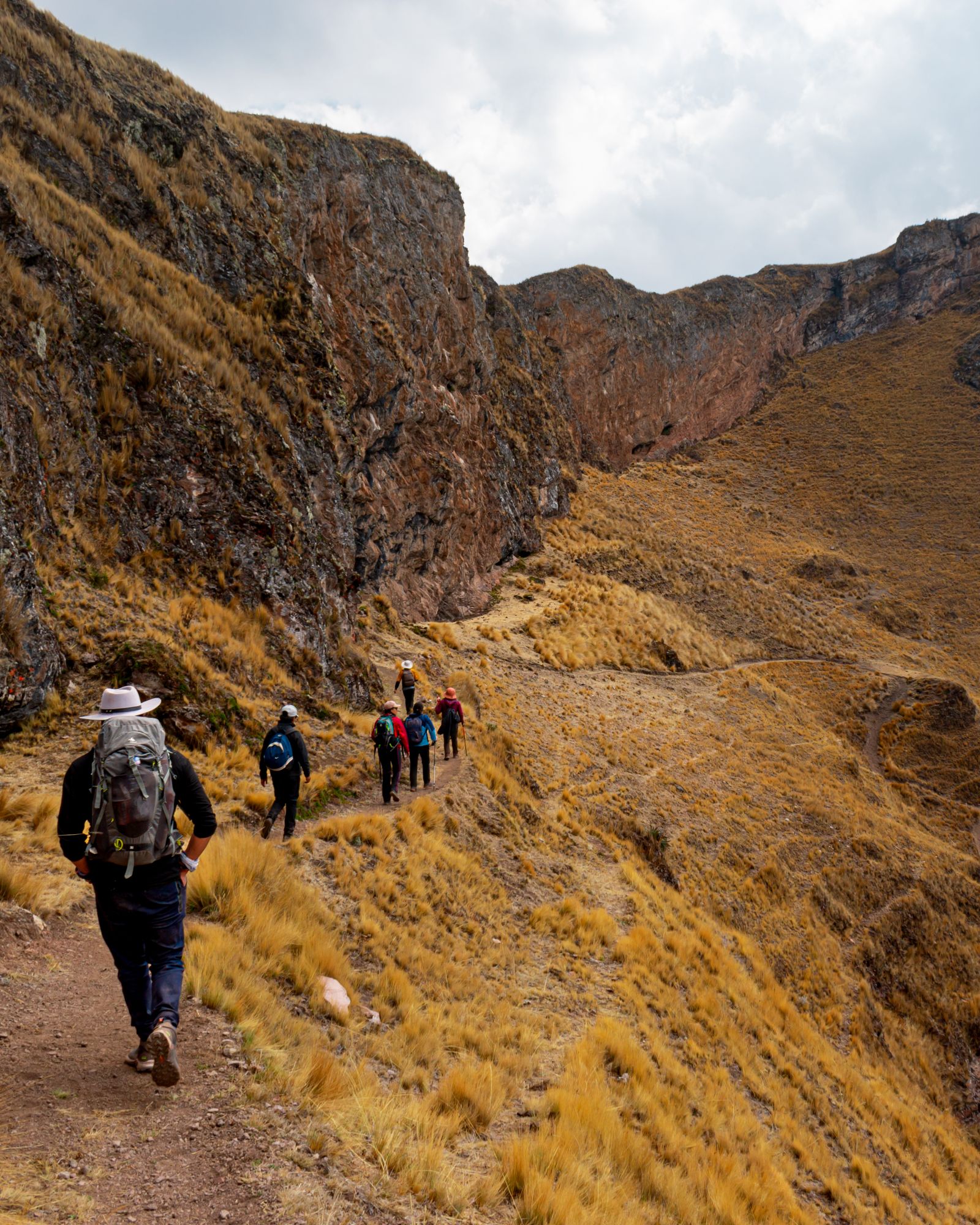
The Permit Reality: Read This First
If you book the classic 4-day Inca Trail, your Machu Picchu citadel entry is included, you do not buy a separate ticket. The 4-day trekking permit covers Circuit 3 access on Day 4, and your trekking agency issues the citadel entrance together with the permit under Ministry of Culture regulation. Buying a separate citadel ticket on TuBoleto on top of a 4-day trek is unnecessary.
Three more things most first-timers don't know:
- Permits are capped daily. Only a few hundred trekkers per day are allowed on the trail (the daily quota includes guides and porters, so trekker spots are even fewer). When they're gone, they're gone, no exceptions, no waitlist.
- Only licensed operators can obtain permits. There is no official website where you buy an Inca Trail permit directly. You book a trek with an authorized agency, and the agency secures your permit against your passport details.
- Your passport must match your permit exactly. Book with the passport you will travel with. A renewed passport with a different number can invalidate your permit.
The Classic 4-Day / 3-Night Trek
This is the full Inca Trail: roughly 43 km (27 miles) from the trailhead at Km 82 to Machu Picchu, over four days and three nights of camping.
- Distance: ~43 km (27 miles)
- Duration: 4 days / 3 nights
- Highest point: Dead Woman's Pass, 4,215 m (13,828 ft), Day 2
- Difficulty: Moderate to challenging
- Nights: 3, camping on the trail
- Day 4: Sunrise arrival at the Sun Gate, then guided citadel visit
- Book ahead: 3–6 months; 5–6 months for peak season
Day 2 is the crux: the long climb to Dead Woman's Pass at 4,215 meters is the highest and hardest section of the trek. Days 3 and 4 ease off, passing the ruins of Runkurakay, Sayacmarca, Phuyupatamarca, and Wiñay Wayna before the final pre-dawn walk to the Sun Gate (Inti Punku) on Day 4, the moment the whole trek is built around.
Reputable operators bundle permits, a certified guide, porters, camping equipment, all meals on the trail, and the return train from Aguas Calientes. Confirm all of this is included before you book; the cheapest quote is rarely the complete one.
The Short Inca Trail: 2 Days / 1 Night
Short on time or not ready for four days at altitude? The short trek starts at Km 104 and covers about 12 km (7.5 miles) over two days:
- Distance: ~12 km (7.5 miles)
- Duration: 2 days / 1 night
- Highest point: ~2,700 m (8,860 ft)
- Difficulty: Moderate
- Nights: 1, hotel in Aguas Calientes (no camping)
- Day 1: Afternoon arrival at Machu Picchu via the Sun Gate
- Day 2: Full guided tour of the citadel
- Book ahead: 1–2 months
You still walk the original Inca stone path, still visit Wiñay Wayna, and still enter through the Sun Gate, just without the high passes and the camping. It sells out far less aggressively than the classic trek, making it the realistic option if you're booking inside three months.
4-Day vs 2-Day: Which Should You Choose?
- Choose the 4-day if you have the time, the fitness, and the lead time to book 5–6 months out. It is the complete experience: high passes, cloud forest, a dozen archaeological sites, and the full sunrise arrival.
- Choose the 2-day if you're short on time, traveling with family or older hikers, or booking late. You skip the hardest altitude and the camping, and you still get the Sun Gate arrival and a full citadel tour.
Either way, you need a permit, and either way the permit comes through a licensed operator, never direct, never from a marketplace.
When to Book
- Classic 4-day, May–October (dry/peak season): 5–6 months ahead. The most popular months sell out first.
- Classic 4-day, shoulder season: 3–4 months ahead.
- Short 2-day: 1–2 months ahead is usually enough.
Book with the exact passport you'll carry. If your passport is expiring and you'll renew before the trek, ask your operator how they handle the document update, policies vary, and a mismatch at the Km 82 checkpoint ends the trek before it starts.
Altitude and Preparation
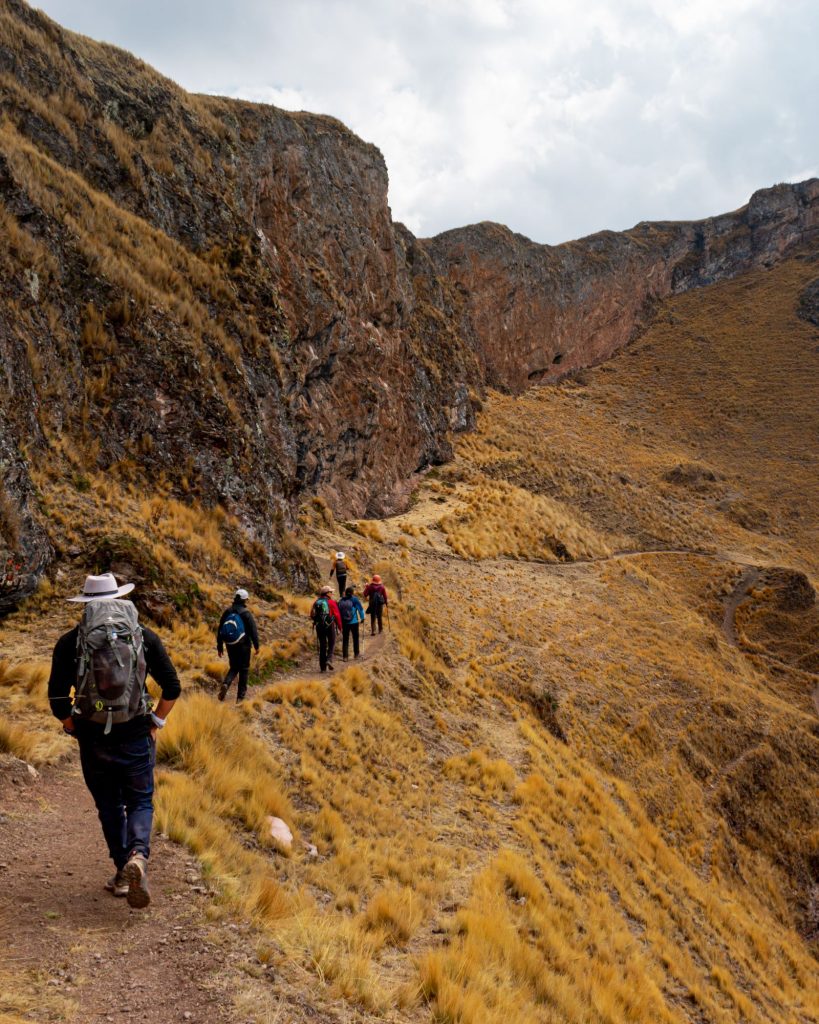
The classic trek's highest point (4,215 m) is higher than anything most travelers have hiked. Prepare accordingly:
- Acclimatize in Cusco for 2–3 days before the trek starts. Cusco itself sits at about 3,400 m, use easy days there (a city walk, the Sacred Valley) to adjust.
- Day 2 is the test. Train with hill walks or stair climbing in the months before; cardio fitness matters more than leg strength.
- Hydrate constantly, go slow, and listen to your guide. Coca tea is offered everywhere and is part of the local routine.
- Pack for all weather. Temperatures swing from below freezing at high camps to warm afternoons in the cloud forest. Layers, rain gear, sun protection, and broken-in boots are non-negotiable.
Choosing an Operator (Without Getting Burned)
Because permits only flow through licensed agencies, your operator choice is your permit strategy. Look for: an explicitly licensed operator (ask for their authorization), small group sizes, clear inclusion lists (permits, guide, porters, food, camping gear, train), and transparent porter-welfare practices. Be skeptical of prices far below the market, the permit, staff, and logistics have real fixed costs.
And remember the hard rule: no one can sell you a standalone Inca Trail "permit." Anyone offering to sell you just the permit, separate from a trek, is not legitimate. Permits are issued to operators against named trekkers.
Transparency: We independently review routes and entry rules. When you book through partner links on our site, we may earn an affiliate commission at no additional cost to you.
Two bookable options for the classic 4-day trek:
GetYourGuide: a 4-day Inca Trail trek to Machu Picchu from Cusco, with accommodation included in the booking.
Secure partner checkout
We may earn a commission if you book through our links, at no extra cost to you. See our affiliate disclosure.
Viator, run by Alpaca Expeditions: the classic 4-day trek, ending with a Vistadome train ride back toward Cusco. Alpaca holds 5.0 stars from 11,584 Viator reviews (as of October 2026), caps groups at 14 travelers, and includes the Machu Picchu entrance fee. Prices start at $835 per person, and bookings are non-refundable, so be sure of your dates before you pay.
Secure partner checkout
We may earn a commission if you book through our links, at no extra cost to you. See our affiliate disclosure.
Secure partner checkout
We may earn a commission if you book through our links, at no extra cost to you. See our affiliate disclosure.
Frequently asked questions
Do I need a separate Machu Picchu ticket if I hike the 4-day Inca Trail?
No. The 4-day permit includes citadel circuit access on Day 4, arranged through your trekking agency. Do not buy a separate TuBoleto ticket.
Can I hike the Inca Trail independently?
No. Independent hiking is not permitted, you must go with a licensed operator, and your permit is tied to that operator.
What happens if permits are sold out for my dates?
Consider the short 2-day trek (separate, larger permit pool in practice), shift your dates, or visit the citadel by train instead and save the trek for another trip. Don't trust anyone promising "last-minute permits" outside the official system.
Which citadel circuit do trekkers get on Day 4?
Circuit 3. The 4-day permit pairs with Circuit 3 access on the final day, and the citadel entrance is issued together with the trek permit through your agency.
When is the best time to hike?
May through October is the dry season and the most reliable weather window. The rainy season (roughly November–April) means muddier trails and clouded views, and check with your operator about any seasonal maintenance closures before booking.
How fit do I need to be?
For the 4-day: genuinely fit, comfortable hiking 6–8 hours with significant elevation gain, at altitude, for consecutive days. For the 2-day: moderate fitness is enough for most travelers.
Related guides
Machu Picchu Tickets 2026: Official Circuits and Routes
The 2026 entry system explained plainly: 3 official circuits, 10 routes, prices in soles, booking windows, and what to do when your date is sold out.
Updated October 22, 2026
How to Buy Machu Picchu Tickets on TuBoleto (2026 Step-by-Step)
The only official way to buy Machu Picchu tickets: account setup, circuit and time-slot selection, payment, and the mistakes that most often ruin a booking.
Updated October 22, 2026
Best Day Tours from Cusco 2026: Sacred Valley, Rainbow Mountain & More
Sacred Valley, Rainbow Mountain, Humantay Lake, and Cusco city — what's included, how long each takes, and how to sequence them around Machu Picchu.
Updated October 22, 2026
Note: MachuPass is an independent travel information site and is not affiliated with Machu Picchu authorities or the Peruvian government. Always verify prices, hours, and entry rules on official sites before your visit.